
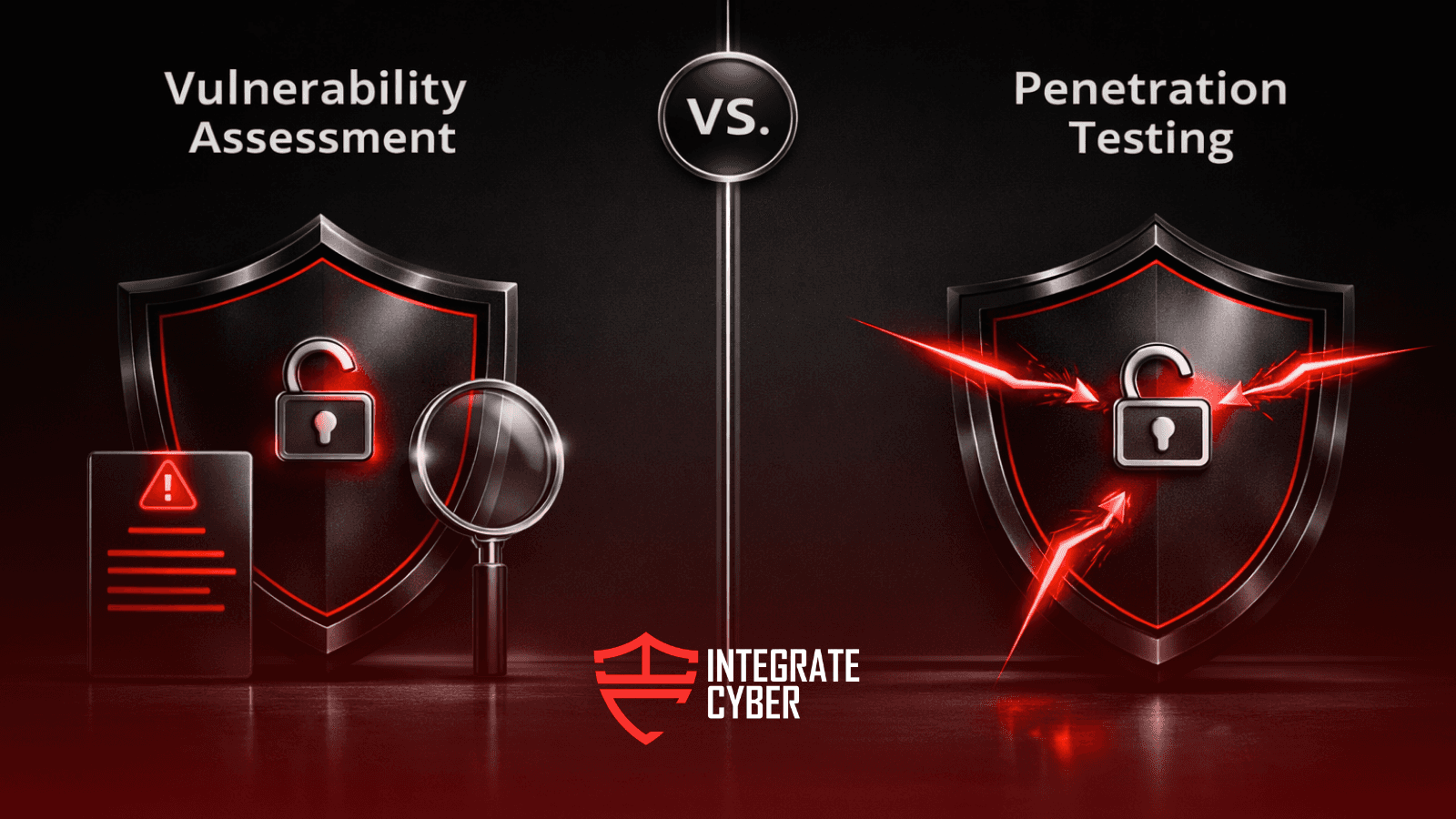

If you have ever heard “you need a pen test” and “just run a scan” in the same week, you are not alone. Most owners are trying to answer a simple question... what do we actually need, and what problem does it solve? The confusing part is that both activities can produce a list of issues, both can sound technical, and both can feel like they are aiming at the same goal.
This article clears up the difference in plain English, explains what automated tools can and cannot confirm, and gives you a practical way to choose based on exposure, budget, and what your business needs to protect right now.
Penetration Testing vs Vulnerability Scanning: Which Does Your Business Need?
What vulnerability scanning and penetration testing really mean
A vulnerability scan is like a regular inspection. It uses automated tools to check your systems against known issues... missing updates, weak settings, outdated software, and common misconfigurations. The output is usually a report that flags items to fix and helps you keep up with basic hygiene.
A penetration test is more like a controlled, hands-on attempt to break in. The goal is not to find every possible issue. The goal is to prove what can actually be accessed or misused in your specific setup, then explain how it happened and how to prevent it.
In short... scanning is about finding potential weaknesses at scale. Pen testing is about confirming which weaknesses can be turned into real access, and what that would mean for your business.
Scanning is best at consistency. It can quickly review a lot of systems, repeat on a schedule, and catch the basics that quietly pile up over time. For most small and mid-sized businesses, that matters because the “simple stuff” is often what gets missed... updates that did not apply cleanly, new devices that were never hardened, or cloud settings that drifted as your team moves fast.
A scan can also help you manage your budget. If you are not sure where to start, scanning gives you a broad view of what needs attention so you can prioritize the highest-impact fixes first.
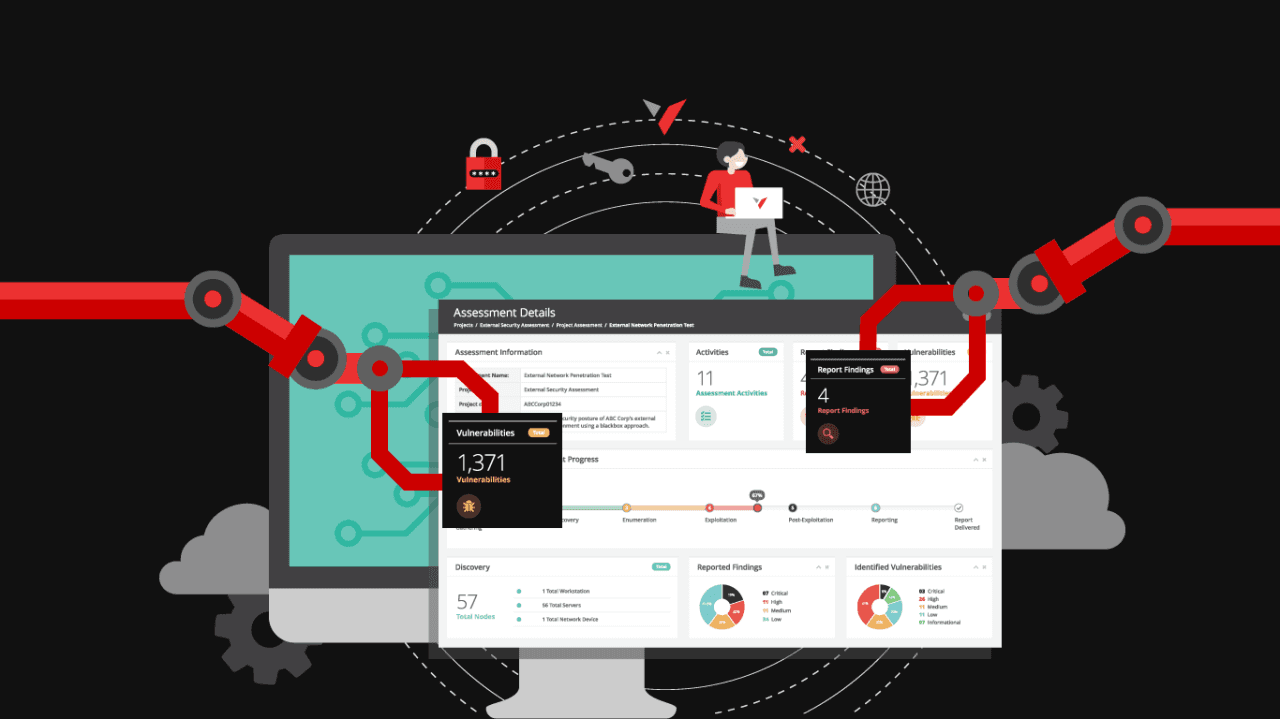
A scan can tell you “this looks risky.” A penetration test can tell you “this can be used to get in,” and then show the path. That difference matters when leadership needs clarity, when you are deciding what to fix first, or when you need evidence that a control is working the way you think it is.
Pen tests are also useful when you need to validate real-world exposure... for example, whether an internet-facing system can be reached, whether a login can be bypassed, or whether a mistake in configuration leads to access you did not intend. That kind of confirmation usually requires human judgment and careful, limited testing... not just a tool output.
Simple comparison (one minute):
Vulnerability scanning: Finds likely weaknesses across many systems, fast and repeatable. Best for ongoing maintenance and prioritizing fixes.
Penetration testing: Proves what can actually be exploited in your environment and explains the impact. Best for validating exposure and confirming what matters most.
What automated tools can and cannot confirm:
Automated tools can usually confirm that something exists... a version, a setting, a missing patch, a known pattern that often leads to problems. They are less reliable at confirming impact, context, and reach. They cannot reliably tell you whether a flagged issue is truly accessible in your environment, whether it can be chained with another issue, or what data or systems it could realistically expose. That is where a well-scoped penetration test fills the gap.
A common failure point is treating scan results like a final answer. Owners see a long list, feel overwhelmed, and either postpone the work or fix items in the wrong order. The scan did its job... it produced volume. The missing piece is decision-making: which items actually change your risk and operations if left alone?
The other common failure point is assuming a “clean scan” means “we are fine.” A scan may miss issues that are not in its database, that require authentication to see, or that depend on how your tools and people actually work day to day. If you have a business change like a new cloud system, a new remote access method, a public-facing portal, or a merger of networks, a penetration test can be the reality check that a scan cannot provide.
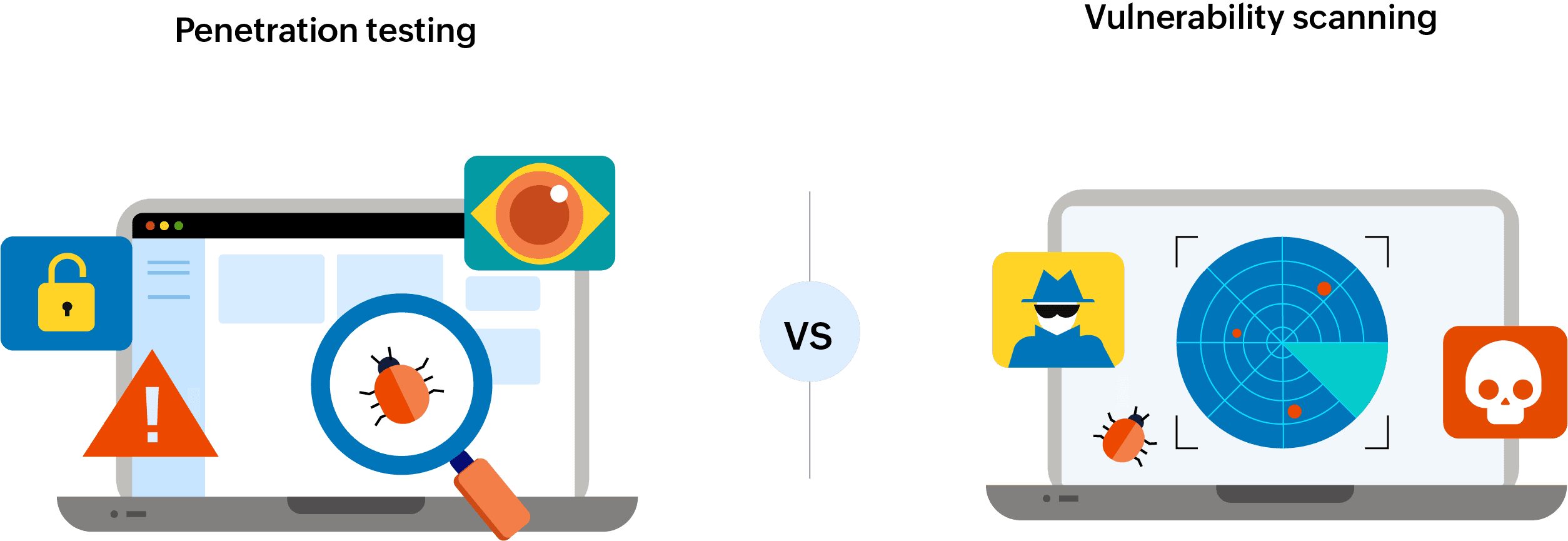
If you want the simplest rule of thumb... start with scanning when you need broad coverage and steady improvement. Add a penetration test when you need proof and clarity around what is truly reachable and high impact.
Scanning is usually the right first move when your priority is establishing a baseline, keeping up with growth, and building a repeatable fix process. It helps you reduce noise over time and makes future decisions easier because you can see trends and progress.
A penetration test is usually the right move when your exposure is higher or your decisions are costly. If you take online payments, host customer portals, rely heavily on cloud services, support remote access, or have contractual or insurance requirements that ask for validation, a targeted pen test can help you focus on the few issues that matter most.
Many SMBs end up needing both, but not at the same depth. A practical approach is to use scanning as the ongoing routine, and schedule penetration testing around meaningful moments... new systems going live, major infrastructure changes, or when leadership needs confidence that controls work as intended. That balance keeps costs predictable while still giving you real confirmation when it counts.
Integrate Cyber Takeaway
Vulnerability scanning helps you find and manage weaknesses across your environment on a regular basis. Penetration testing helps you confirm which weaknesses can actually be used to gain access, and what the business impact would be. If you are trying to choose, anchor your decision on exposure and business priorities... scanning for broad coverage and maintenance, penetration testing for proof, clarity, and high-confidence prioritization.