

Invoice fraud usually shows up as an operations problem first, not a “cyber” problem. A payment goes out. The project keeps moving. Then someone realizes the money landed in the wrong account, and now the team is juggling bank calls, vendor confusion, internal blame, and the uncomfortable question of how it happened at all.
A recent example made this painfully clear. The City of Arab, Alabama reported a fraudulent payment tied to construction work when a scammer impersonated a vendor contact and redirected a $432,739.21 invoice payment. The city later reported it recovered most of the funds, but the disruption and exposure were real.
What Invoice Fraud Reveals About the Security Gaps Growing Businesses Miss
Invoice fraud is less about hacking and more about workflow abuse
Invoice fraud (often grouped under Business Email Compromise, or BEC) is when someone tricks your team into paying the right looking invoice to the wrong bank account. The invoice may reference a real project, a real vendor, and a real dollar amount. The only thing that changes is where the money is sent.
What makes this type of fraud so effective is that the attacker does not always need to “break in” to your systems. If they can impersonate someone your team already trusts, they can blend into normal accounts payable behavior. That is why finance teams often describe these incidents as “we followed the process”... and they are right. The process was simply too easy to abuse.
The FBI describes BEC as scams that use compromised or spoofed email accounts to cause unauthorized transfers of funds. That framing matters because it keeps the focus where it belongs... on how money moves, how decisions get approved, and how identity is verified.
Invoice fraud often begins before the fake invoice arrives… through phishing or stolen login access. Once attackers can watch email threads or impersonate a trusted sender, they step into an existing payment conversation and change account details, resend an invoice, or create urgency around a transfer. That is what makes it dangerous… it looks familiar, not suspicious.
Most invoice fraud follows a predictable pattern. The attacker watches for normal business behavior... invoices, payment schedules, and the exact moment when finance is most likely to act quickly. Then they introduce a “small” change that has a big outcome, like new banking details, a new remittance address, or a request to route payment through a different entity.
In the City of Arab case, officials said the payment was redirected to an unauthorized entity through a socially engineered scheme tied to a legitimate construction project. That is the point... it looked like routine business until it didn’t.
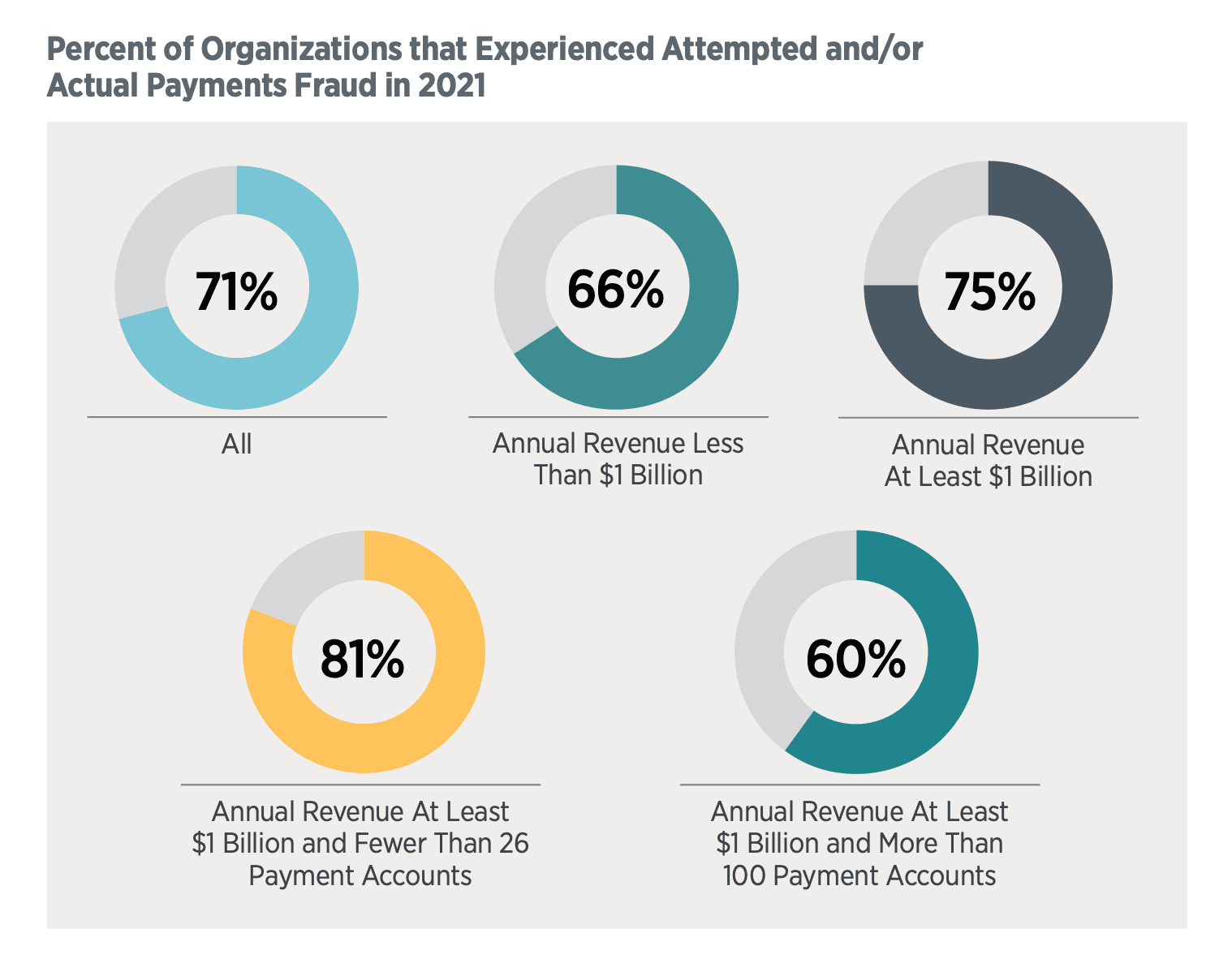
Sometimes the attacker is only impersonating a vendor using a look-alike email address. Other times, they are inside a real mailbox because someone clicked a convincing phishing message or reused a password that got exposed. When a real mailbox is compromised, the fraud gets easier because the attacker can read threads, copy tone, time the request, and reply inside an existing conversation.
The IC3 has repeatedly warned that BEC commonly involves either social engineering or account compromise, and that money movement is often the end goal. That connection is why “email security” and “payment controls” should be treated as one conversation, not two separate projects.
One simple comparison that helps teams align:
A technical break-in targets systems. Invoice fraud targets decision points. Your controls need to cover both... but growing businesses often only invest in the first.
Most growing organizations have a solid intent... pay vendors on time, keep projects moving, avoid friction. The gap appears when the company scales faster than the workflow. A process that worked fine when two people handled payments can quietly become risky when responsibilities spread across teams, approvals get delegated, and “quick email updates” become the norm.
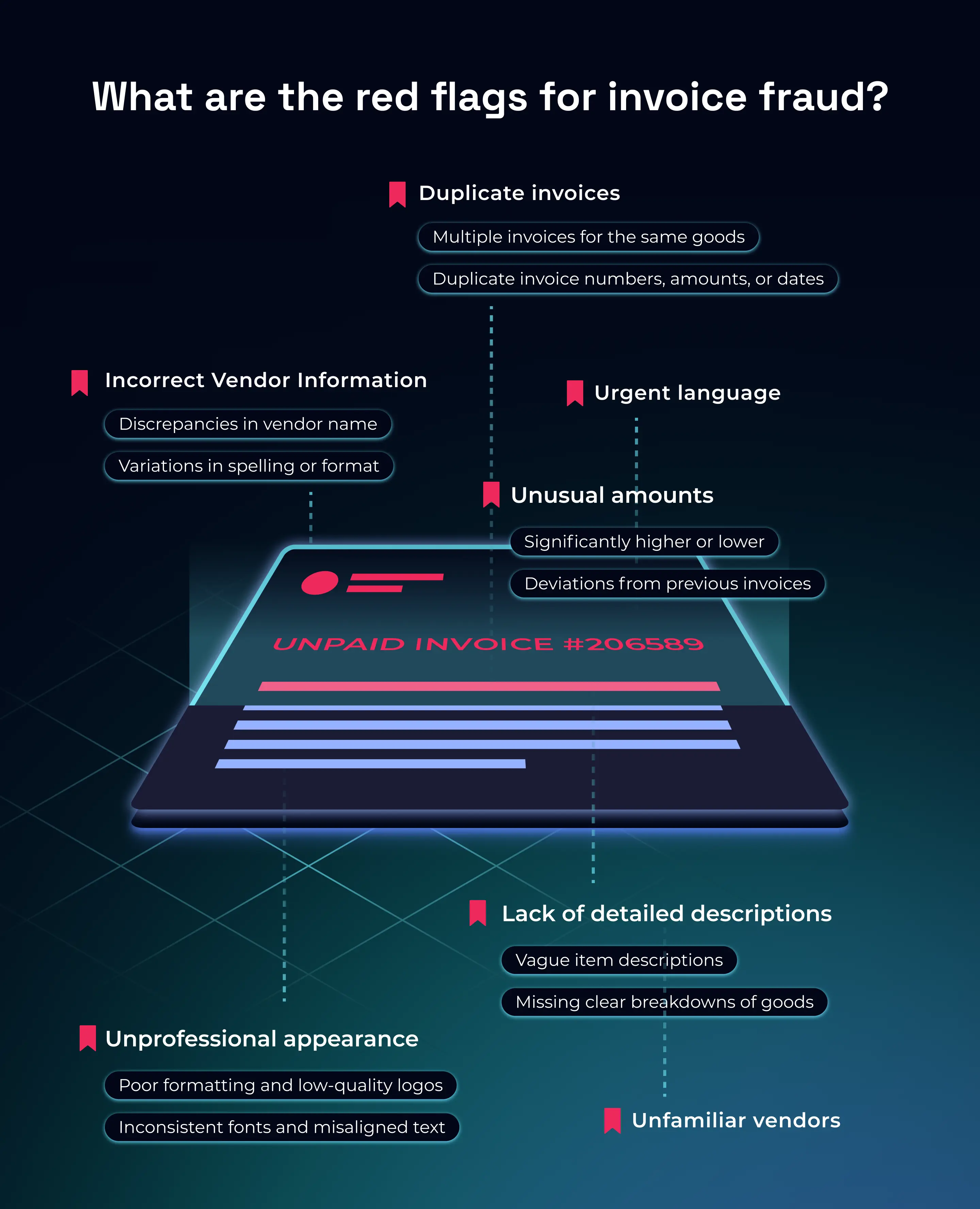
Invoice fraud takes advantage of predictable pressure points. Someone is out of office. A project milestone is due. A vendor is “changing banks.” A controller is trying to clear a backlog. The attacker does not need drama. They need you to treat a payment change like routine admin work.
This is why the loss often feels personal inside the business. It is not a failure of effort. It is a mismatch between trust-based workflows and the reality that email is easy to impersonate.
You do not need a complex program to lower your risk here. You need a small set of controls that make payment changes harder to slip through unnoticed, while keeping day-to-day AP work manageable.
Start with out-of-band verification for any change to payment instructions. If the request comes by email, verify it using a separate channel and a known phone number, not the contact info inside the message. CISA has recommended out-of-band verification for wire requests for years because it breaks the attacker’s favorite advantage... controlling the conversation.
Add dual approval where it counts. Many teams focus dual approval on large dollar amounts, but invoice fraud often starts with “a normal payment.” A practical tweak is requiring dual approval for bank detail changes and for first-time payments to new accounts, even if the amount is not huge.
Lock down identity with MFA on email and finance-related accounts, especially for anyone who can approve payments or change vendor details. This is not about chasing perfection. It is about removing the easy path where a single stolen password becomes a money movement event.
Reinforce staff awareness in finance-friendly language. The goal is not to turn AP into investigators. The goal is to normalize a quick pause when a request involves urgency, secrecy, or payment changes. When “pause and verify” is culturally acceptable, the controls actually get used.
Finally, put process checks around payment changes. Decide where vendor banking details are stored, who can change them, how changes are documented, and how exceptions are handled. When this is clear, your team spends less time debating and more time executing consistently.