

Cyber insurance renewal has a way of turning “we think we’re in good shape” into a very specific set of questions. Do you enforce MFA on email? Do you test backups? Do you have an incident response plan? The pressure is not the questions themselves... it is realizing you are answering based on assumptions instead of evidence.
That is where penetration testing fits. Not as a last-minute checkbox, but as a leadership tool for visibility, continuity, and budgeting. Huntress captures the theme well: what gets overlooked gets exploited, and a plan that stops at “don’t let it happen” is not really a plan.
How Penetration Testing Supports Risk Management Before Cyber Insurance Renewal
What penetration testing means in risk management terms
A penetration test is a controlled attempt to access your systems the way a real attacker would, within an agreed scope. In plain terms... it answers, “If someone tried, what could they actually reach from the outside, and what would they be able to do next?”
For risk management, that matters because leadership decisions depend on reality, not intent. You can have policies, tools, and good people... and still have a few overlooked basics that create outsized business exposure. A penetration test helps you replace guesswork with proof so you can prioritize fixes that reduce real risk, not just improve a report.
It also helps frame cyber insurance correctly. Cyber insurance is a financial risk transfer product. It can help with the financial impact of an incident, but it does not replace the operational work of reducing likelihood and improving recovery.
Penetration testing improves renewal readiness by replacing guesswork with clear, prioritized insight… not a flood of issues that trigger rushed spending. Instead of reacting to every possible risk, leadership can see what is actually exposed, what is already controlled, and what needs attention before renewal conversations begin. This keeps decisions grounded, budgets focused, and security improvements aligned with real business impact… not pressure.
A good pentest does more than list “vulnerabilities.” It shows the paths that matter to your business. Which systems are reachable from the internet. Whether remote access is tighter than you think. Whether a small misconfiguration turns into access to something critical.
That kind of visibility is what makes budgeting easier. Instead of spreading effort evenly, you can fund the controls that actually reduce exposure. It also strengthens continuity planning because you can connect technical realities to business outcomes... what would slow down billing, disrupt operations, or impact customer delivery if access was gained.
This is the leadership value of testing: not “find everything,” but “find what changes decisions.”
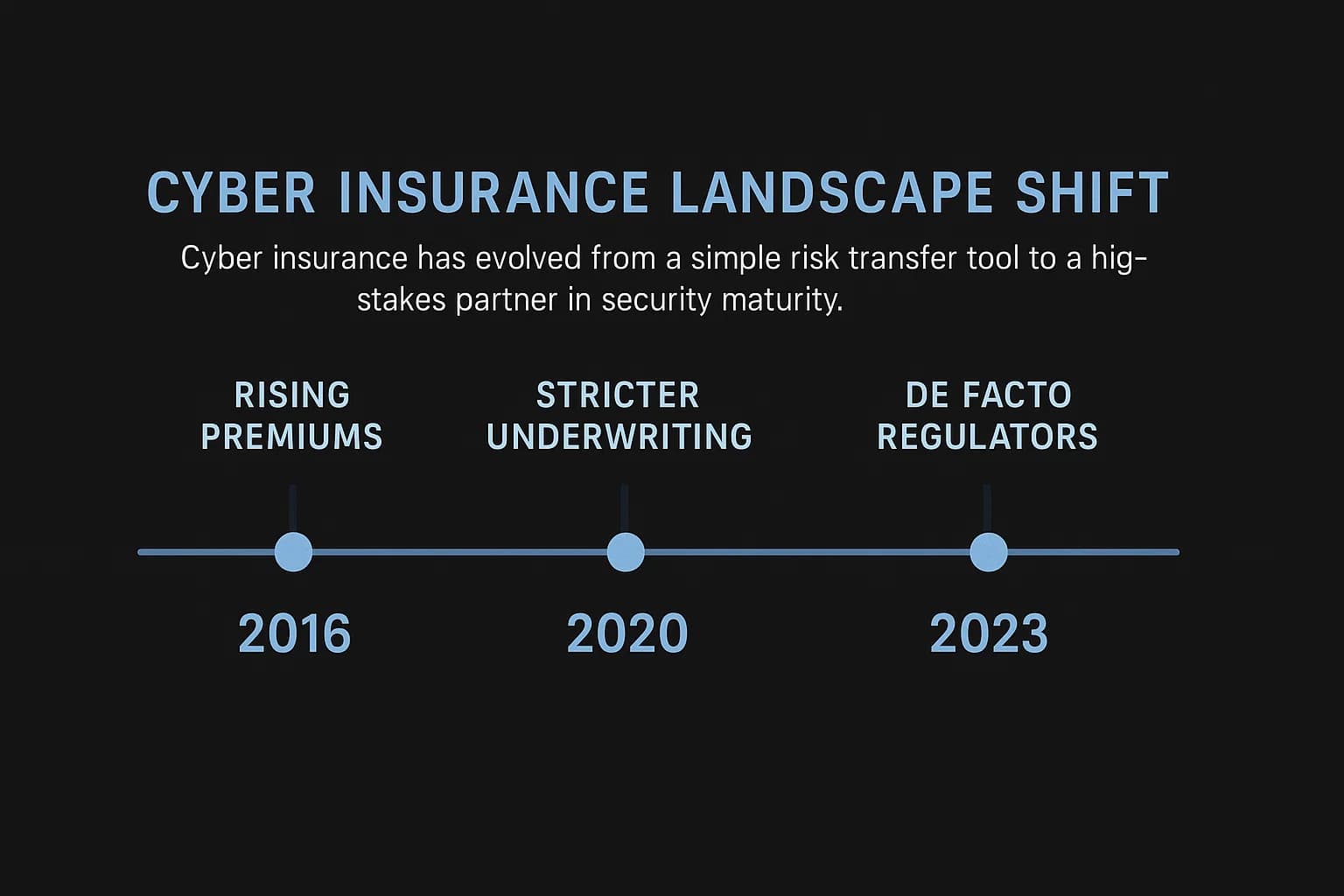
Insurance conversations increasingly revolve around controls and proof. Underwriters commonly ask about MFA and where it is enforced, including webmail access. They also ask about backups, backup testing, incident response planning, endpoint protection, and vulnerability management.
Penetration testing supports those conversations in two practical ways. First, it helps validate that key controls are working as expected, especially around the systems that are exposed and the accounts that matter most. Second, it produces defensible prioritization... you can show what was tested, what was confirmed, what was fixed, and what is planned next.
It also clarifies the scan vs pentest question in an insurance context. Scans are broad and automated, and they are useful for ongoing hygiene. A pentest is narrower, more hands-on, and designed to confirm real-world exposure and impact. Many businesses need both... scanning for consistency, and pentesting for proof.
The renewal scramble usually starts with something simple. A control exists in some places but not others. MFA is on admin accounts, but not on email for everyone. Backups run, but nobody has tested a restore in a while. An incident response plan exists, but it has not been walked through with the people who would actually execute it.
None of those gaps feel urgent day to day. That is exactly why they get overlooked. Then renewal season arrives, the questions get specific, and leaders are stuck choosing between rushing changes, over-buying tools, or answering uncomfortably.
This is the same principle behind the Huntress line... the basics that drift are the ones that later create the biggest operational headaches.
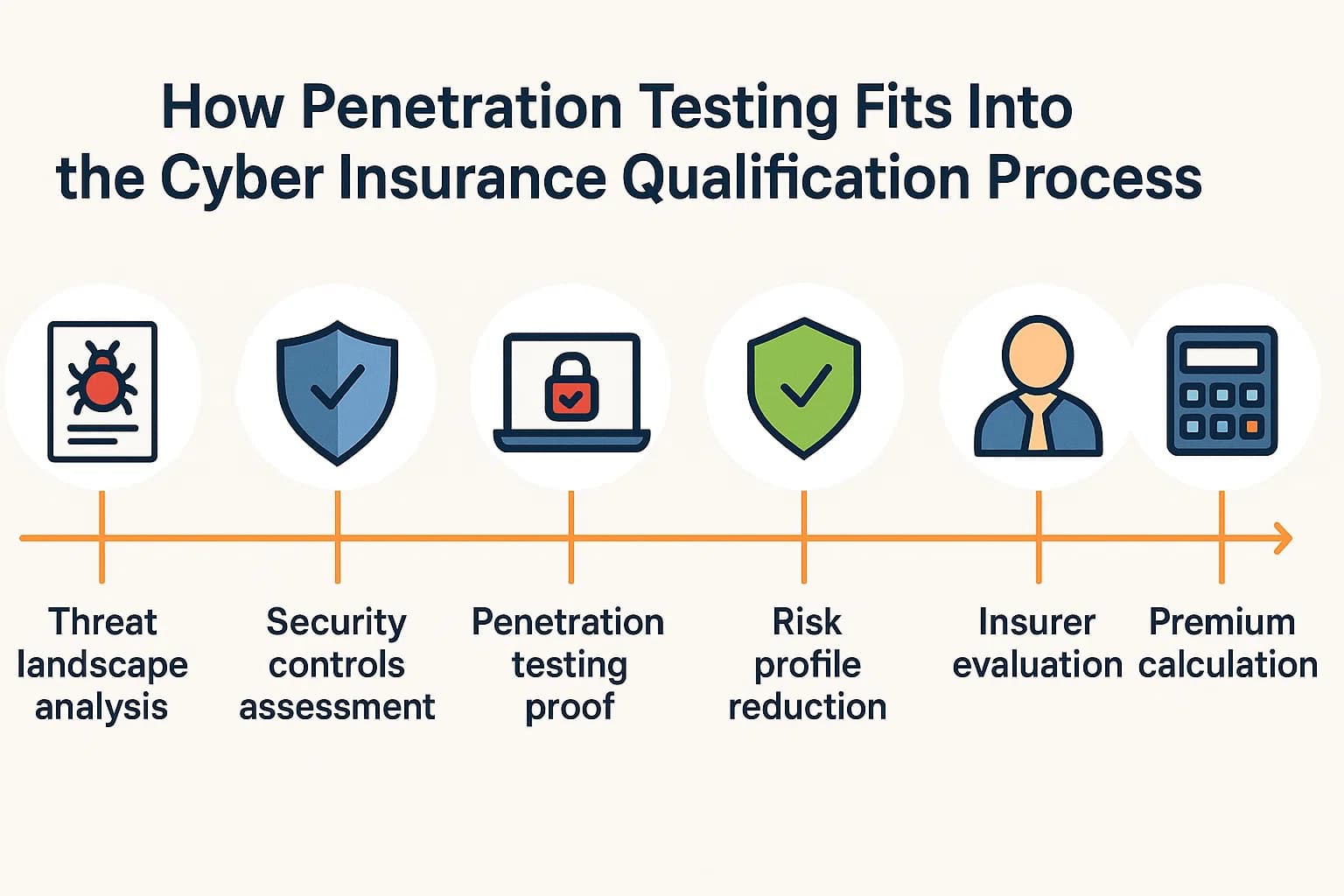
A well-scoped penetration test, done before renewal pressure, is a calmer way to manage risk. It gives you a short list of what matters, tied to real exposure. It helps your team focus remediation where it reduces risk the most. It gives you stronger inputs for incident readiness planning. And it helps you speak to insurance partners with clarity instead of vague confidence.
It also supports better internal conversations. When you can show leadership what is reachable and why, it becomes easier to fund the right controls and set realistic timelines. That reduces reactive spending and increases resilience... because you are building around what is true in your environment, not what you hope is true.