
Passwords protect access to nearly everything a small business relies on. Email, accounting systems, customer records, and internal tools all depend on credentials working the way they should.
As businesses grow, managing passwords becomes harder. Reuse increases, shortcuts creep in, and visibility drops. Password managers are often recommended to solve this, but many owners hesitate after seeing headlines about breaches.
So the real questions are simple. Can password managers be hacked, and are they still a responsible choice for small and mid-sized businesses?
Why Password Management Matters for SMBs
Passwords remain one of the most common entry points for attackers because they are easy to misuse and hard to manage without structure.
Based on findings from the Verizon Data Breach Investigations Report, stolen credentials and human-related actions continue to be one of the most common ways attackers gain access to business systems.
Password managers help address this by allowing each system to have a unique, strong password without relying on memory or informal sharing. For many small businesses, this creates immediate improvement in security without changing how people work day to day.
Yes. Password managers can be targeted, and there have been real incidents where providers were compromised. It is important to be clear about that.
Based on analysis published by ISC2 following the 2022 LastPass incident, attackers accessed encrypted vault data, but could not read stored passwords without users’ master passwords. This distinction matters. Access to encrypted data is not the same as access to usable passwords.
At the same time, research has shown an increase in malware designed to steal credentials directly from infected devices, including attempts to capture master passwords through keystrokes or browser memory. These risks exist whether a password manager is used or not. The difference is how well the system limits damage when something goes wrong.
Reputable password managers use strong encryption and a zero-knowledge design. This means only the user can decrypt their vault using their master password, not the service provider.
As outlined in security guidance reviewed by ISC2 and other industry bodies, this approach ensures that even if encrypted vault data is stolen, it remains unreadable without the master password.
This design significantly reduces the impact of provider-side breaches when strong master passwords are used.
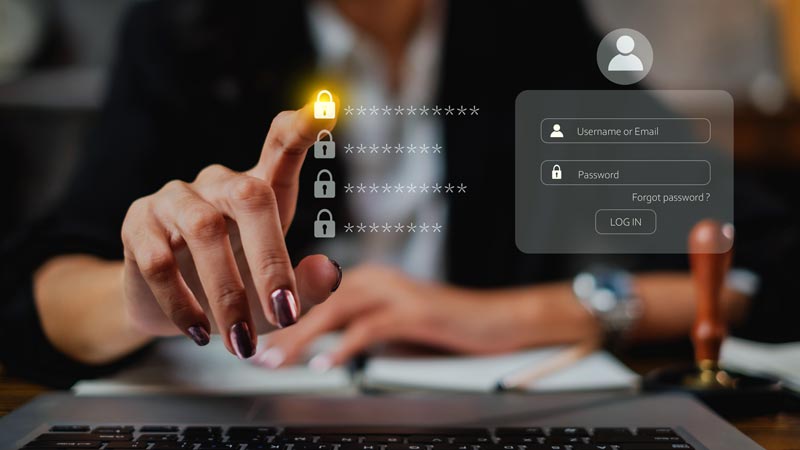
Many real-world compromises involve user behavior rather than broken encryption.
As outlined in guidance from the Cybersecurity and Infrastructure Security Agency, password security works best when technical controls are paired with basic operational practices such as device protection and multi-factor authentication.
If a device is compromised or a master password is weak or reused, attackers may gain access indirectly. Password managers work best when supported by clear expectations and basic hygiene.
When compared to alternatives like spreadsheets, shared documents, or memorized passwords, password managers remain one of the safest available options for most small businesses.
Based on guidance from the National Institute of Standards and Technology, using tools that support strong, unique passwords is a recommended practice for small business cybersecurity.
The risk of not using a password manager is often higher than the risk of using one responsibly. Password managers reduce reuse, improve visibility, and limit the impact of individual account compromises.
They are not a replacement for policies or training, but they are a strong foundation when used correctly.

Password managers are not perfect, but they are a practical and effective tool for small businesses when used with intention.
They work best when combined with strong master passwords, multi-factor authentication, protected devices, and clear internal expectations around access and password handling. Security improves when tools, people, and processes work together.